
In 1989 I was approaching the end of an eight-year skirmish with the world of commerce. Slowly but steadily rising up the ranks in a large company that supplied construction equipment, I was sent on an expensive course at Ashridge Management College together with a group of other aspiring young executives. There in the Hertfordshire countryside we learned how to motivate our staff, inspired by real-life examples of how to increase sales of Trebor mints, the fascinating world of archival storage and the birth of the Post-it note. My main takeaway from the experience was that I was bored shitless and in late summer of 1989 I picked up my backpack and left the UK to see the world and, hopefully, to discover my path. Happily it worked.
Long interested in the environmental movement, when I returned to the UK in summer 1990 I volunteered for the pioneering Environmental Investigation Agency (EIA) who specialised in going undercover to expose things like the illegal trade in ivory. There I met two people who were to become my collaborators and best friends, and what brought us together was a shared interest in Cambodia.
In the early 1990s the United Nations was trying to bring an end to a decades-long civil war in Cambodia, then being fought by the first democratically elected government and the brutal Khmer Rouge rebel movement, responsible for committing the greatest genocide since WW2. We had learned that the Khmer Rouge were likely funding themselves by selling valuable hardwoods from Cambodia’s rainforests to Thailand.
Nursing our lagers in the bars of the Betsy Trotwood and The Horseshoe pubs, just around the corner from EIA’s offices in Clerkenwell, London, we pondered this conundrum. The strategy could be staggeringly simple. If our surmise was correct, then closing the Thai-Cambodia border to the timber trade would cut off the Khmer Rouge’s funding. Without that, they couldn’t fight. We were no experts in international peacebuilding but it seemed obvious to us. ‘Why doesn’t someone do something about this?’ we asked ourselves. We mused for a while longer before someone said, “Why don’t we?”
We sketched out a plan. Mimicking EIA’s methodology we would create a false identity as European timber buyers. Then, armed with secret camera equipment, we would travel along the Thai-Cambodia border visiting the timber companies that we had read were based there, and ask them how much timber they were importing, who from, how much they paid for it and who they were selling it to? With solid evidence, if we could get it, then maybe, just maybe, we could convince the governments who had signed the Paris Peace Accords to put pressure on Thailand to close down this bloody trade. Extraordianrilt surprisingly, it worked.
The vehicle we created to carry out this work was Global Witness, which went on to become one of the pioneers in the global anti-corruption movement.
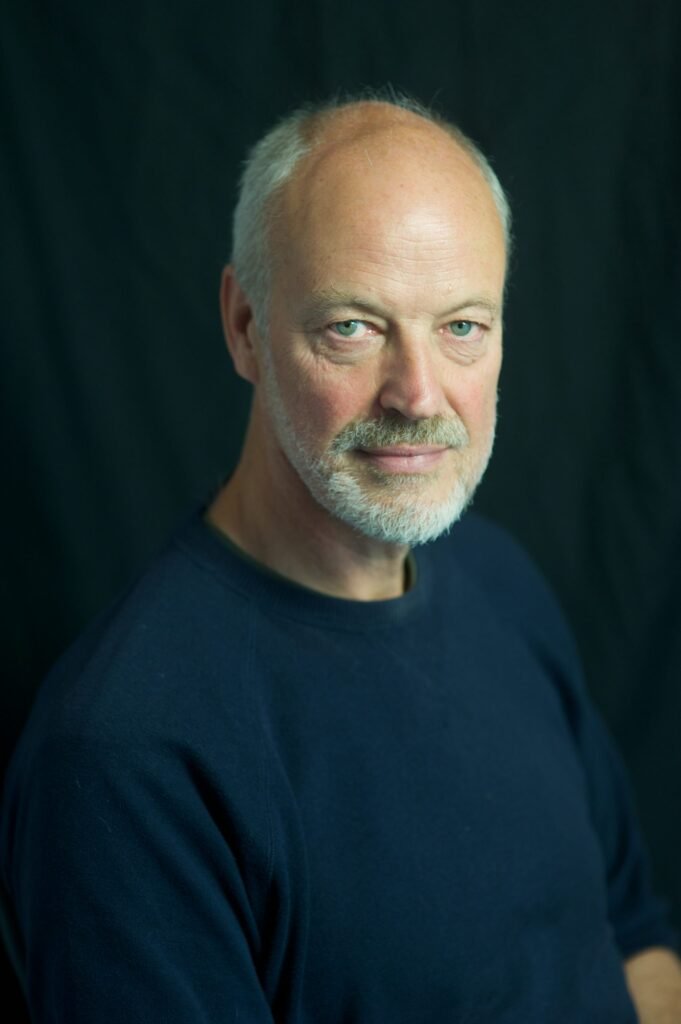
Since retiring from Global Witness in 2023 Patrick has taken up writing full time and is currently working on his third book.
His first two books Very Bad People and Terrible Humans, published by Octopus Books in 2022 and 2024 respectively, are available in hard and soft cover, audio-book and Kindle.
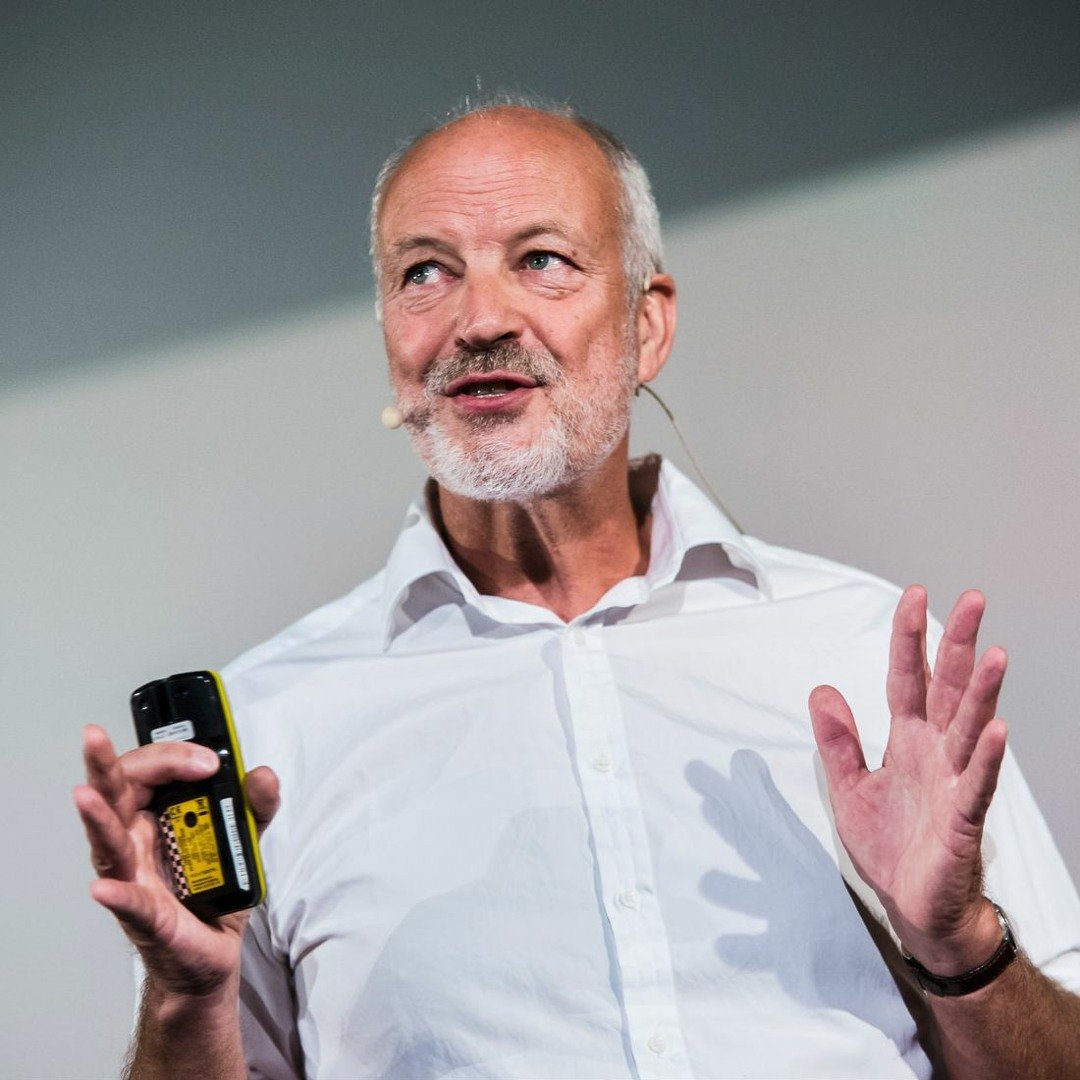
Patrick is in demand as a keynote and motivational speaker on issues such as corruption, organised crime and environmental and human rights abuses.
Lorem ipsum dolor sit amet, consectetur adipiscing elit. Donec viverra lacus et ante iaculis ultrices. Nunc vehicula sit amet risus id porta. Suspendisse faucibus pulvinar purus, nec aliquam ipsum iaculis aliquam.
Maecenas nec augue et magna varius congue. Nam ultricies metus nunc, vel semper erat semper non. Aliquam consectetur efficitur libero at maximus.